

Helpful tips for parents & children
Learning to swim is an important developmental milestone for children, where playful learning, safety in the water, and above all, fun take center stage.
Only when children approach water with joy can they get used to it more easily and develop a positive relationship with it. Our bath babies accompany them as familiar playmates who playfully invite them to splash and explore – encouraging a love of water from the very beginning and turning learning into an enjoyable experience.
Swimming is not only a great leisure activity, but also a vital life skill. Children who become familiar with water at an early age not only gain confidence in handling it, but also improve their motor skills, self-esteem, and physical fitness.
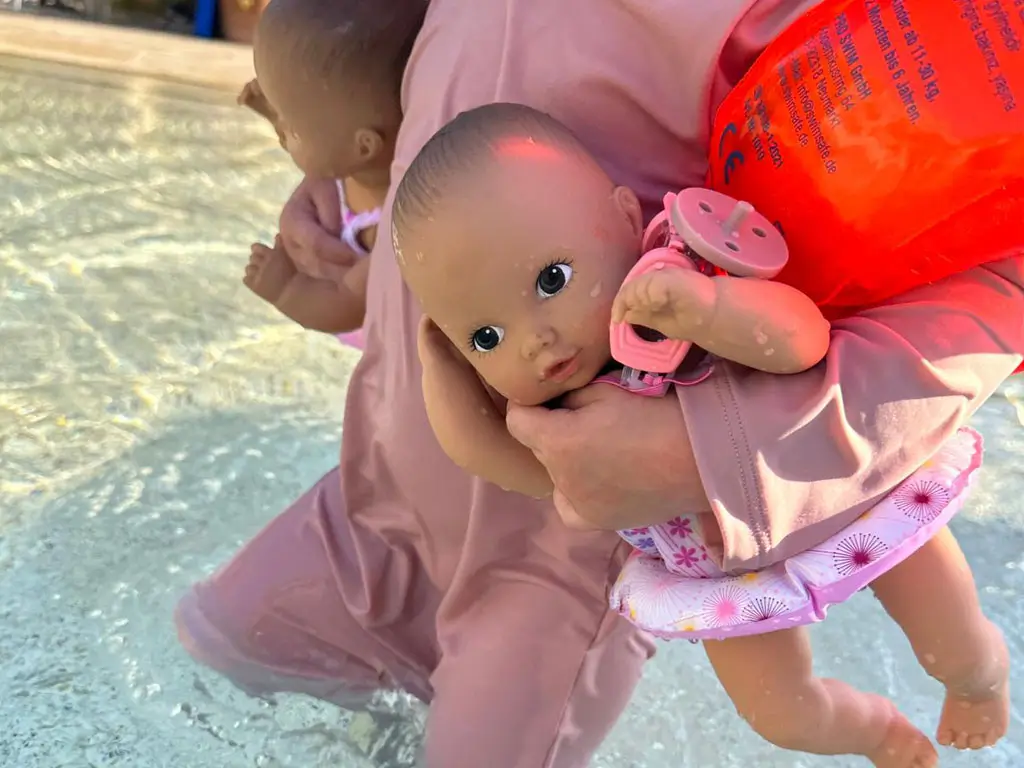
Getting used to water: the foundation to swim
Bubbling, careful dousing of the head and face and floating on the back with arms and legs outstretched promote a positive feeling of being in the water and allay fears. A bath baby can act as a familiar companion and playfully convey a sense of security - even in the bath or paddling pool.
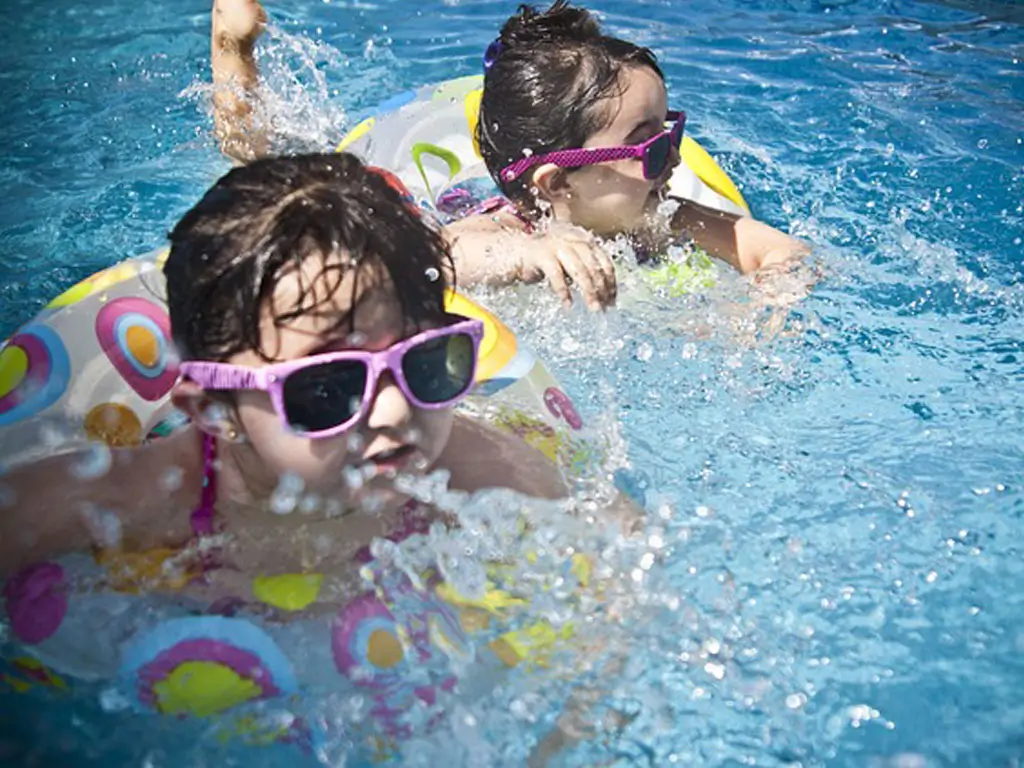
Parents' checklist for swimming pool visits
- Swim aids like arm floaties, swim rings, etc. can provide support but never replace supervision.
- Talk about rules in and around the water – for example, no running, no pushing, and looking out for each other.
- Avoid swimming on a full or empty stomach – this can strain circulation and muscles.
- Shower before and after swimming – for hygiene reasons and to help get used to the water temperature.
- In the sun: don’t forget sunscreen, a hat, and plenty of fluids.

Magie des Wassers
Wasser spricht alle Sinne an. Kinder fühlen, hören sehen und erleben Unterschiede.
So werden Wahrnehmung, Sinnesentwicklung und Konzentration spielerisch gefördert.

Kleine Hände,
große Entwicklung
Beim Wasserspiel trainieren Kinder ganz automatisch ihre Feinmotorik, Hand-Auge-Koordination, Konzentration und Geduld.
Jede Bewegung stärkt die kleinen Muskeln und das Selbstvertrauen.

Abenteuer Wasser
Wasser fordert Kinder heraus und hilft ihnen, Mut zu entwickeln.
Jeder Sprung, jedes Eintauchen ist ein Schritt zu mehr Vertrauen in sich selbst und den eigenen Körper.
Parents' checklist for swimming pool visits
- Swim aids like arm floaties, swim rings, etc. can provide support but never replace supervision.
- Talk about rules in and around the water – for example, no running, no pushing, and looking out for each other.
- Avoid swimming on a full or empty stomach – this can strain circulation and muscles.
- Shower before and after swimming – for hygiene reasons and to help get used to the water temperature.
- In the sun: don’t forget sunscreen, a hat, and plenty of fluids.

Warum fließt Wasser?
Warum schwimmt ein Blatt?
Kinder stellen Fragen und finden durch Ausprobieren selbst Antworten.
So entstehen ganz spielerisch erste naturwissenschaftliche Erfahrungen.
Lorem ipsum dolor sit amet, consetetur sadipscing elitr, sed diam nonumy eirmod tempor invidunt ut labore et dolore magna aliquyam erat, sed diam voluptua. At vero eos et accusam et justo duo dolores et ea rebum. Stet clita kasd gubergren, no sea takimata sanctus est Lorem ipsum dolor sit amet.

Ein Eimer steht hier, ein anderer dort. Wie viel Wasser schafft es von einem zum anderen?
Erlaubt sind: Schwämme, Becher, Gießkannen, Löffel oder Pipetten.
Ein tolles Spiel für heiße Sommertage!

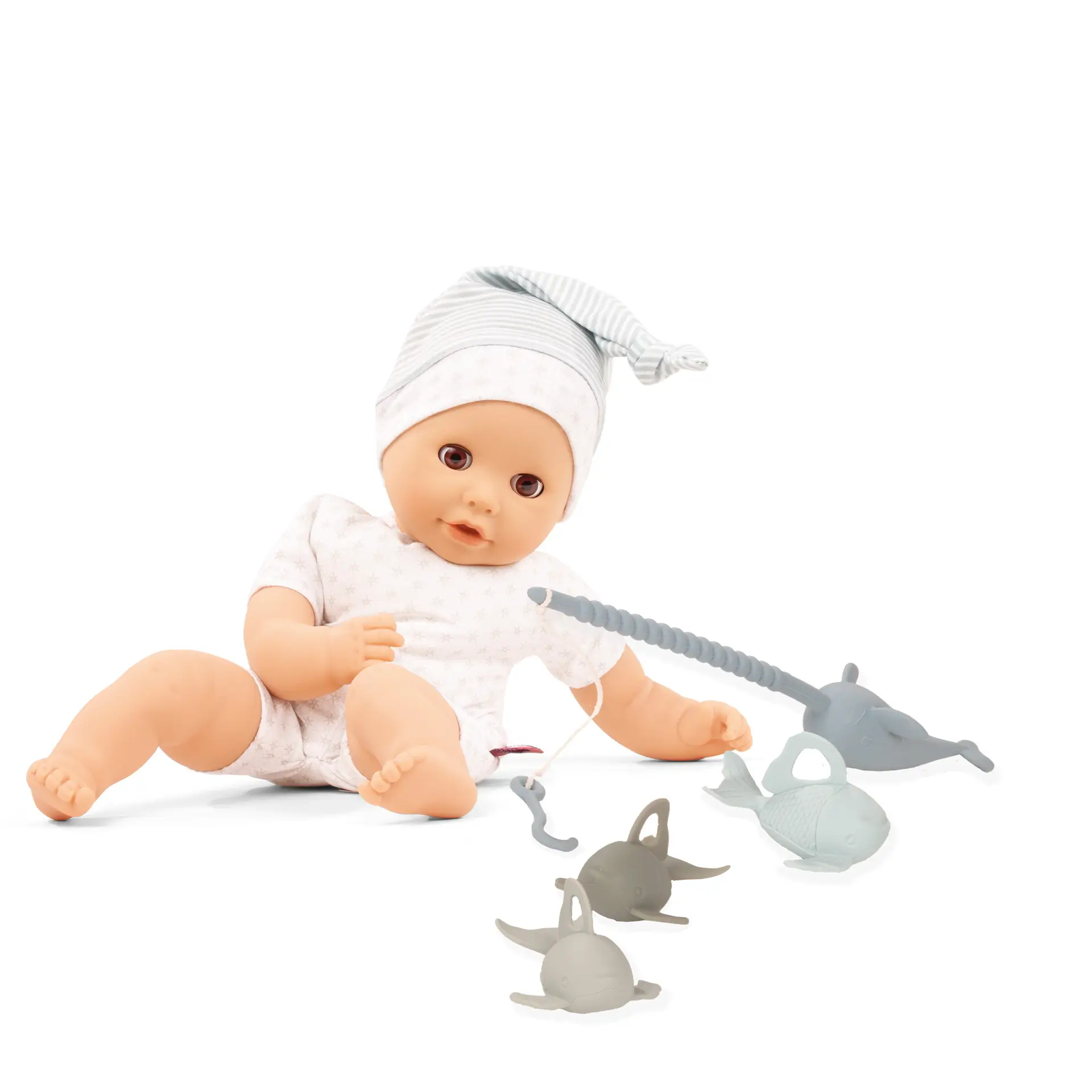
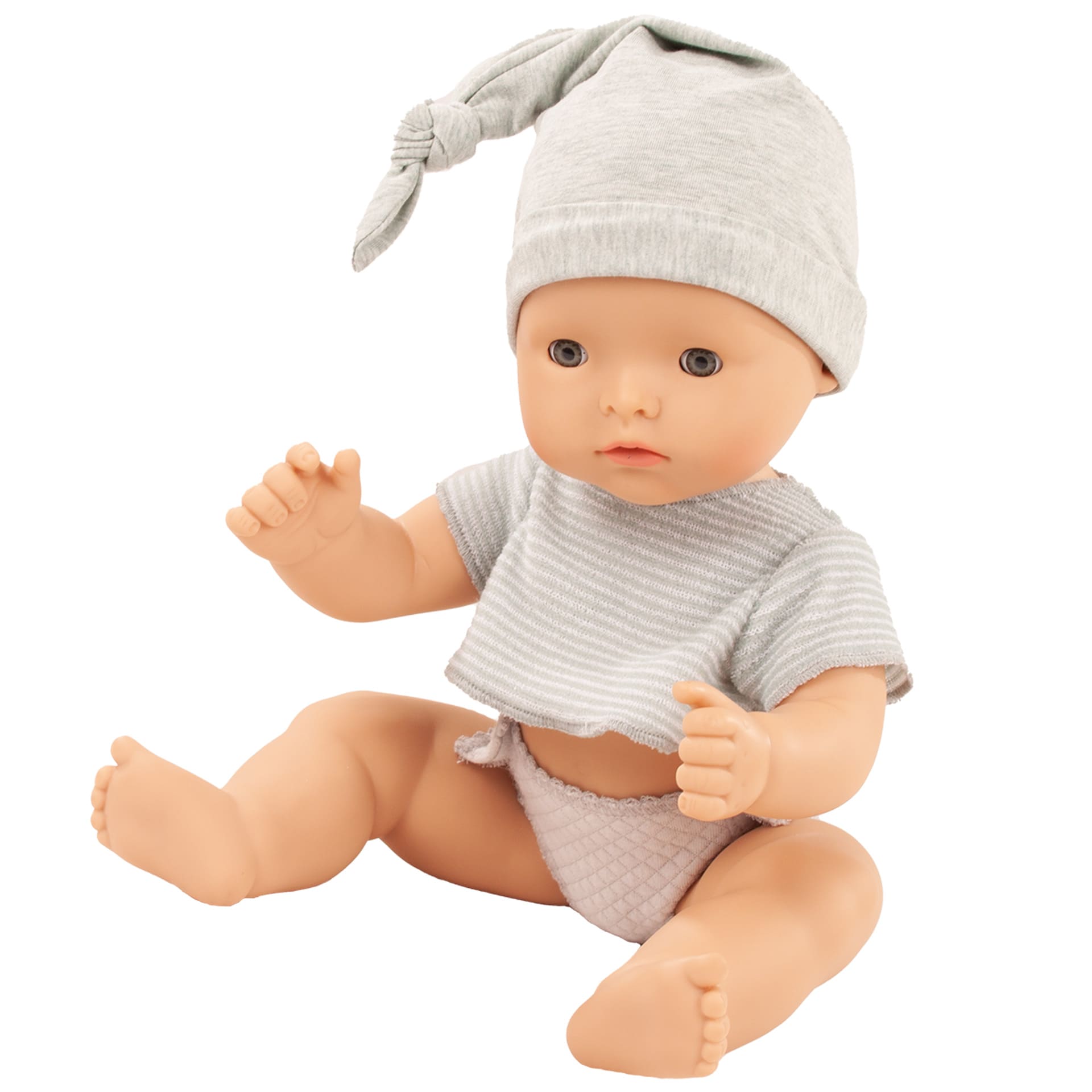
The Bath Baby: A Gentle Start to Learning to Swim
Bath babies are more than just toys – they are familiar companions that give children emotional security and a sense of not being alone.
They can help reduce fears and encourage children to approach new experiences with more courage.
Children often imitate their dolls’ play behavior – creating a loving role-play where the doll bravely takes the lead, encouraging the child to follow. This form of shared play strengthens the emotional bond, builds confidence in their own abilities, and makes learning to swim a positive experience.
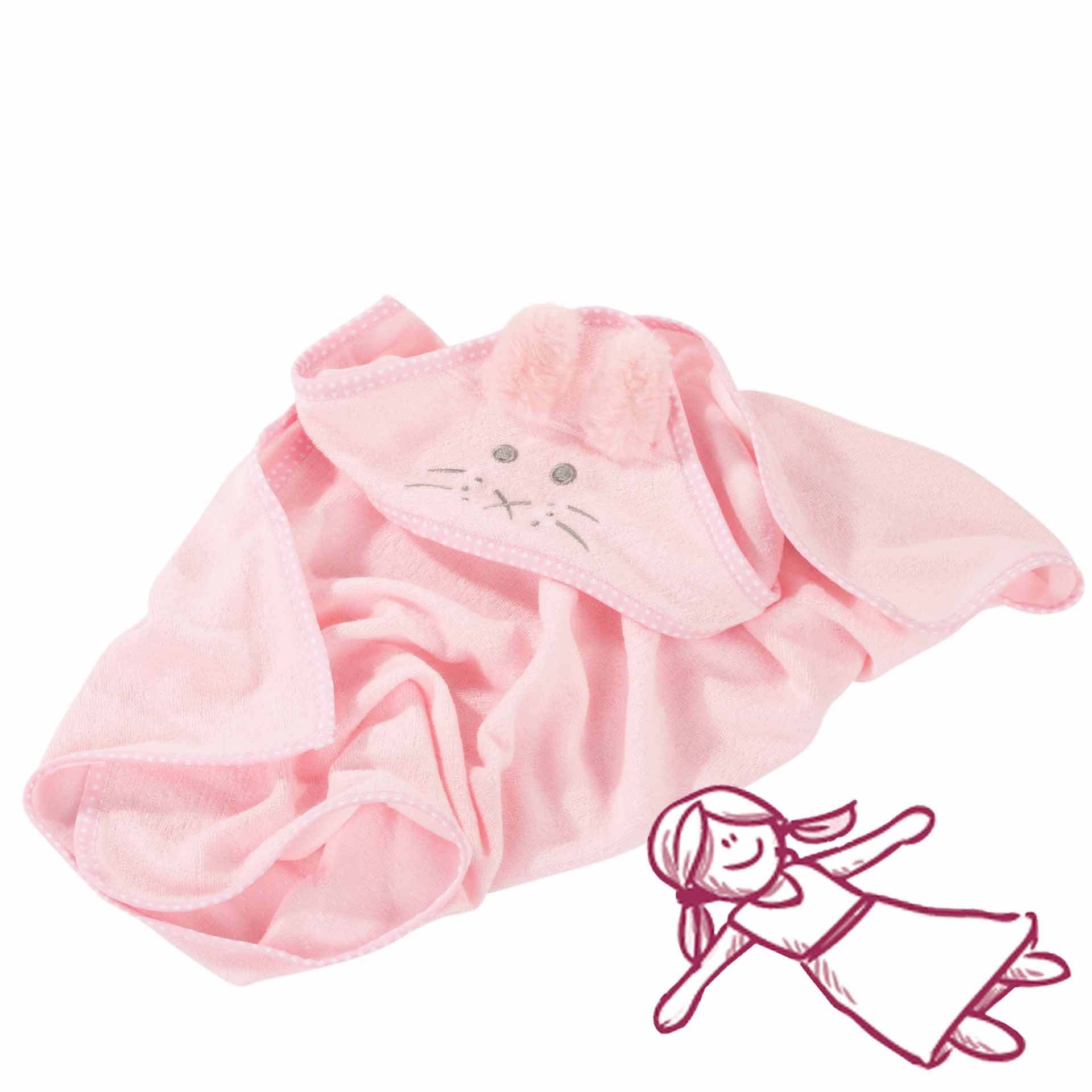
Bath accessories for little water lovers
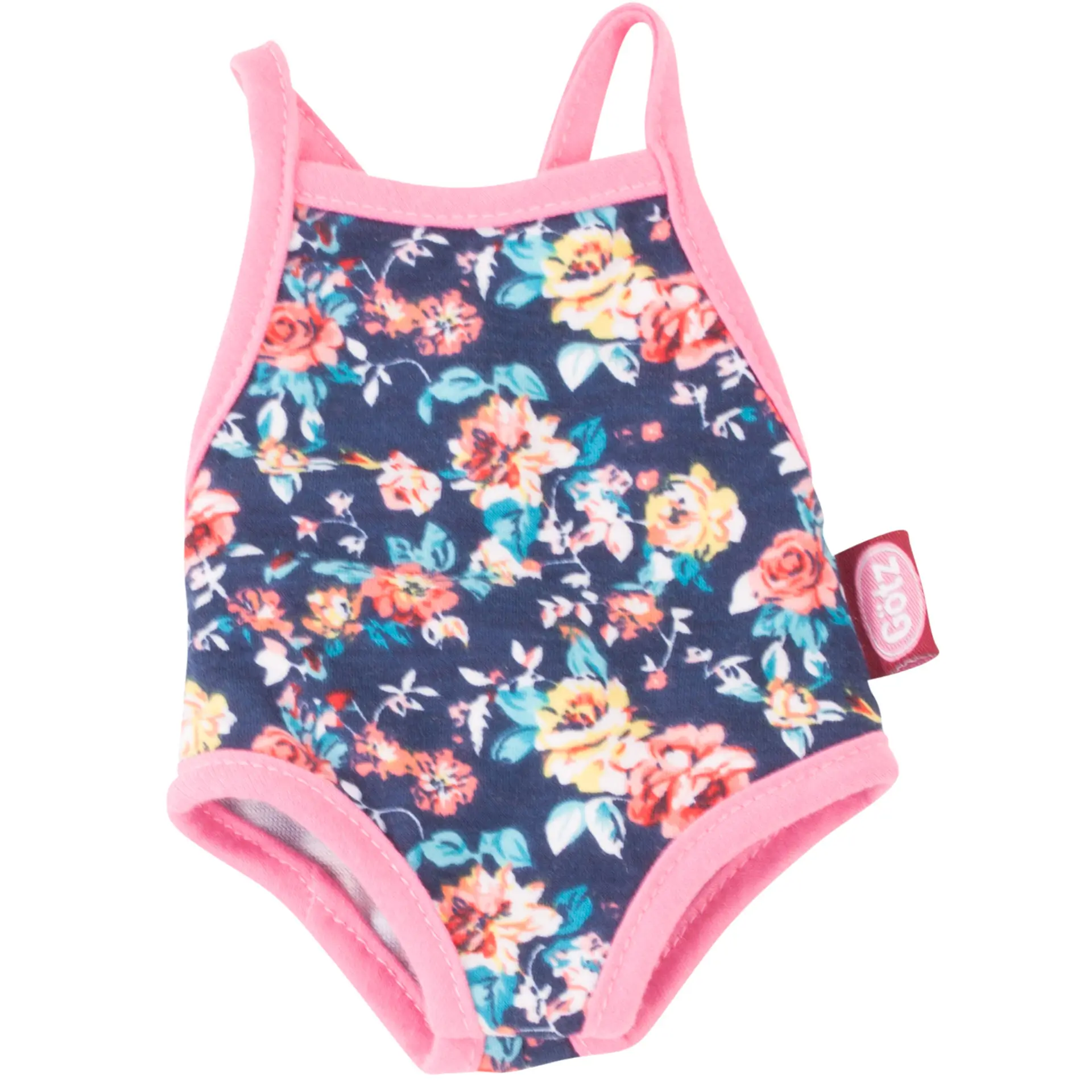
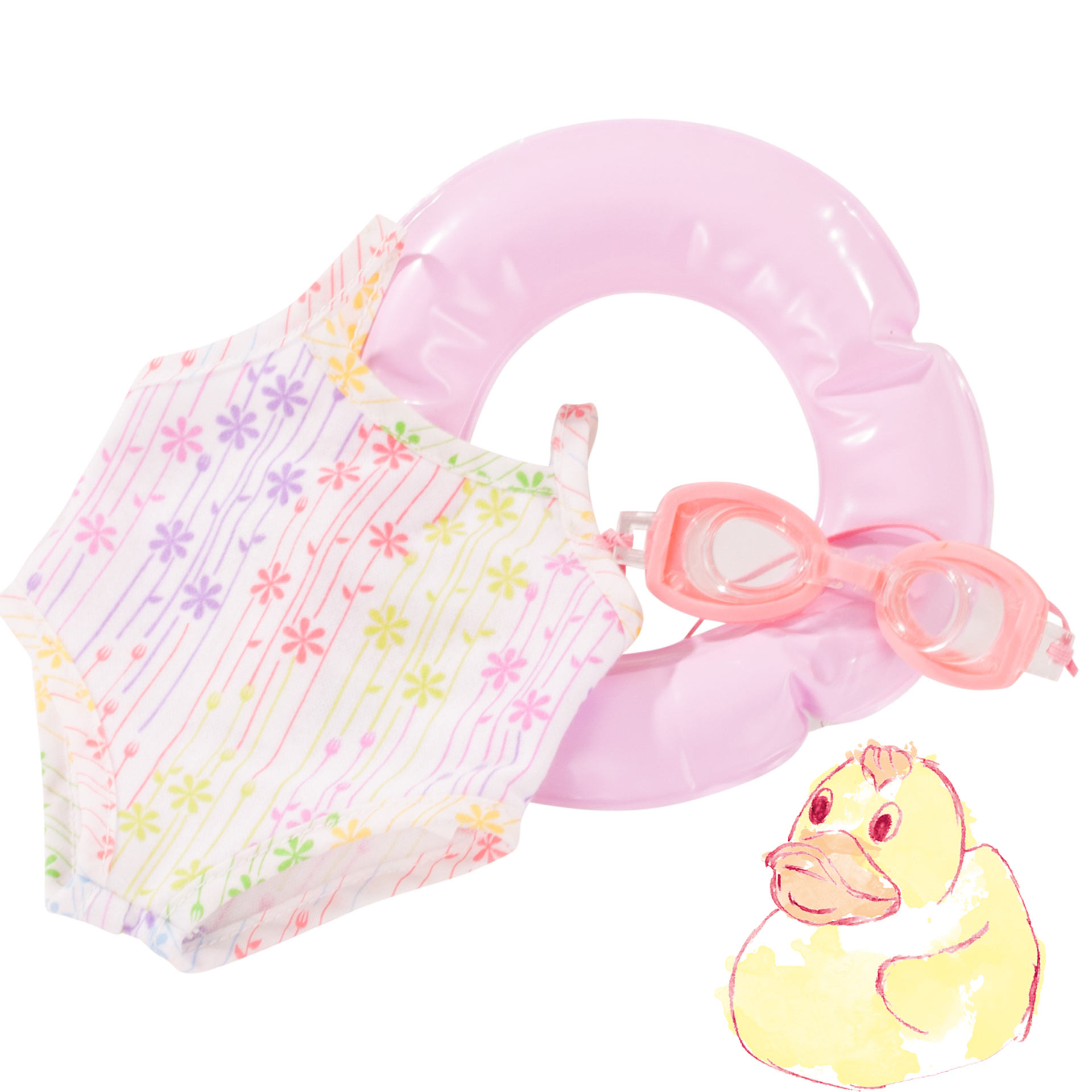
With a swim ring, UV-protective clothing, sun hat, and diving goggles, children are perfectly equipped for water fun.
While splashing, diving, and swimming, they playfully explore their surroundings, develop motor skills, and boost their self-confidence.
The experience becomes even more exciting when their favorite doll has its own bath accessories too.
Swim rings, sunglasses & more make role-playing especially vivid and encourage empathy as well as the imagination of little water lovers.
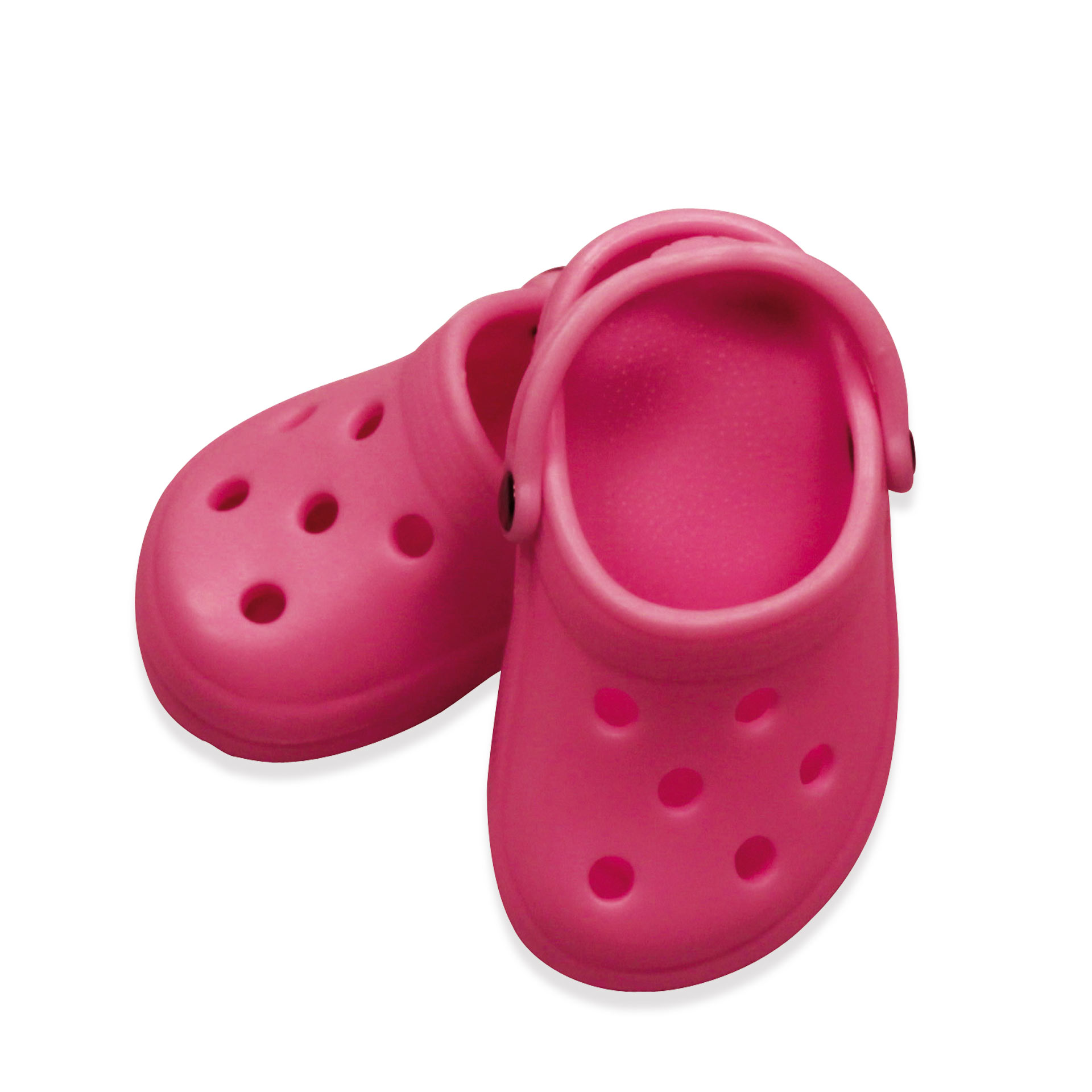
Summer, sun, sun protection
5 tips for optimal sun protection for children:
1. Apply sunscreen at least 20-30 minutes before going outdoors.
2. Reapply every 2-3 hours and after splashing in the water.
3. UV-protective clothing and swim caps provide extra protection during prolonged sun exposure.
4. Children under 2 years old should avoid direct sunlight as much as possible.
5. Look for shady spots – especially during midday between 11 a.m. and 3 p.m.
Goetz tip: First, apply sunscreen to the bath baby and put on its sun hat – then it’s the child’s turn.
This way, children learn playfully how important sun protection is.